every Part of you

is Welcome

Psychotherapy grounded in the neuroscience of lasting change

speciality areas of focus include:

Anxiety
Depression/low mood
Obsessive Compulsive Disorder (OCD)
Support through, and recovery after trauma
Supporting other therapists /providers
Serious and life-limiting illness
Loss and Grief

therapeutic approach

My role is helping you create more ease in your life. 

My style is collaborative; I’ll be asking for your feedback about what feels helpful —or not. I ask a lot of questions to help us both gain clarity about what’s important to you
and might be in the way of reaching your goals. I consider your nervous system when learning about how you experience your current problems or challenges.
Understanding what triggers your nervous system, and your most common reactions to those triggers, can help us uncover unmet needs.
Gaining clarity to your needs often brings clarity about the next action to take that feels aligned to your values. 

The tools I offer and modalities I use differ from person-to-person based on your needs and what you report is feeling helpful to you.
Since beginning my clinical work, I have been dedicated to investing my time toward understanding the neuroscience behind the modalities
and theories that help people the most. 

Trauma Recovery


No person or entity defines what is traumatic for another person.
Trauma is the impact to the brain and nervous system — not the specific event. 

Updating the brain’s risk assessment and prediction network is the key to recovery from trauma. The neurobiological term for this is Memory Reconsolidation; a process our brains do on their own all the time. But researchers and clinicians have learned over the past twenty years that it’s possible to intentionally create the mechanisms
for this brain updating in the therapy room as well. 

Memory reconsolidation is the foundation of every modality I use in supporting recovery from trauma including Internal Family Systems (IFS); Coherence Therapy;
Deep Brain Reorienting; Accelerated Resolution Therapy (ART); Comprehensive Resource model; and the Flash Technique.
While each method has its own strengths, they each help create the conditions for meaningful change rather than simply better coping tools.
Together we choose the approach, or combination of approaches,
that best suit you.

OCD Recovery

At the heart of OCD is doubt — unresolvable doubt.
The doubt can be triggered from thoughts, images, urges or sensations.
And by its nature it targets what we value or fear the most so it presents very differently from person to person.

OCD frequently co-occurs with trauma and it’s often overlooked and misunderstood by doctors and therapists.  OCD doesn’t resolve with “standard” forms of talk therapy, experiential therapy, or CBT so people suffering from OCD can be misdiagnosed for years and/or in the wrong treatment for years. Studies show that people with OCD on average live with their symptoms up to 17 years before receiving an accurate diagnosis and longer still to access appropriate treatment. 

OCD is personal for me because I used to have it. I say “used to” because the D stands for disorder which clinically means it’s significantly impacting your quality of life. I still have the OC moments, but now I catch them and move through them relatively quickly so no more D — Yay!!
OCD can be one of the most debilitating mental health disorders but it’s also one of the most treatable.

My experience led me to train in the top evidence-based treatments: Inference-based Cognitive Behavior therapy (I-CBT); Exposure and Response Prevention (ERP) and Acceptance and Commitment therapy (ACT). 

So how is OCD missed by so many clinicians? OCD is most often mistaken for anxiety; and until recently it was categorized as an anxiety disorder.
OCD can create a lot of anxiety so it’s understandable that sufferers and clinicians think that’s what they are dealing with. 

about / training / qualifications

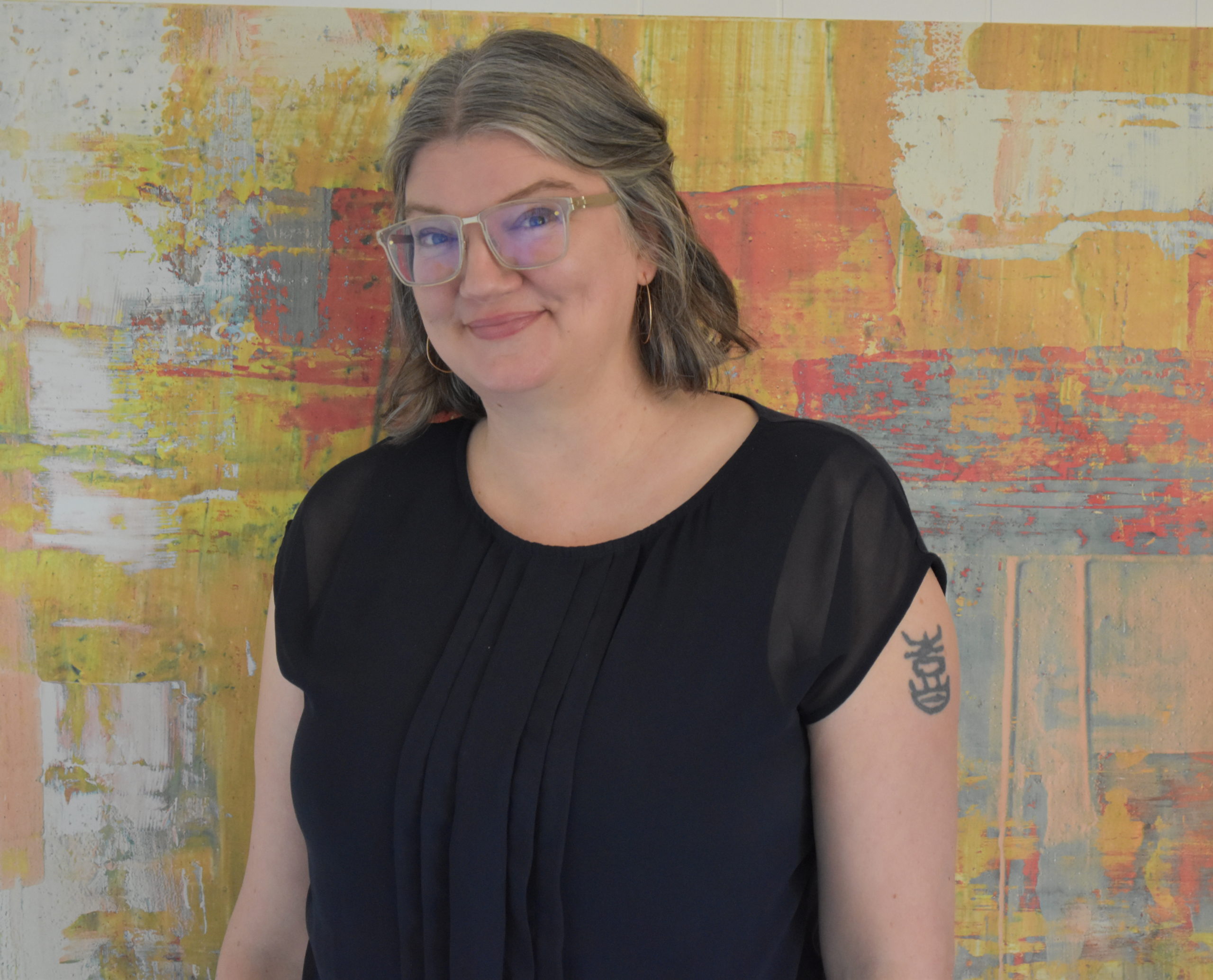
Christina Mullin (she/her), LCSW, LICSW, holds a MSW from Portland State University and is clinically licensed in Oregon and Washington states. Before starting her private practice she supported patients and their families in both Oncology and Primary Care clinics. Christina currently works with adults 18 or older. She continues to educate herself about the systemic and cultural oppression experienced by the LGBTQ+ and BIPOC communities and those who have been labeled disabled. Christina has a passion for personal and professional growth;
she enthusiastically participates in trainings and individual and group consultations throughout the year in order to deepen her comprehension and competence in the models and tools she offers to clients.

let’s connect

I offer complementary 20 min. conversations. Let’s see if working together feels like a fit.

Verified by MonsterInsights